
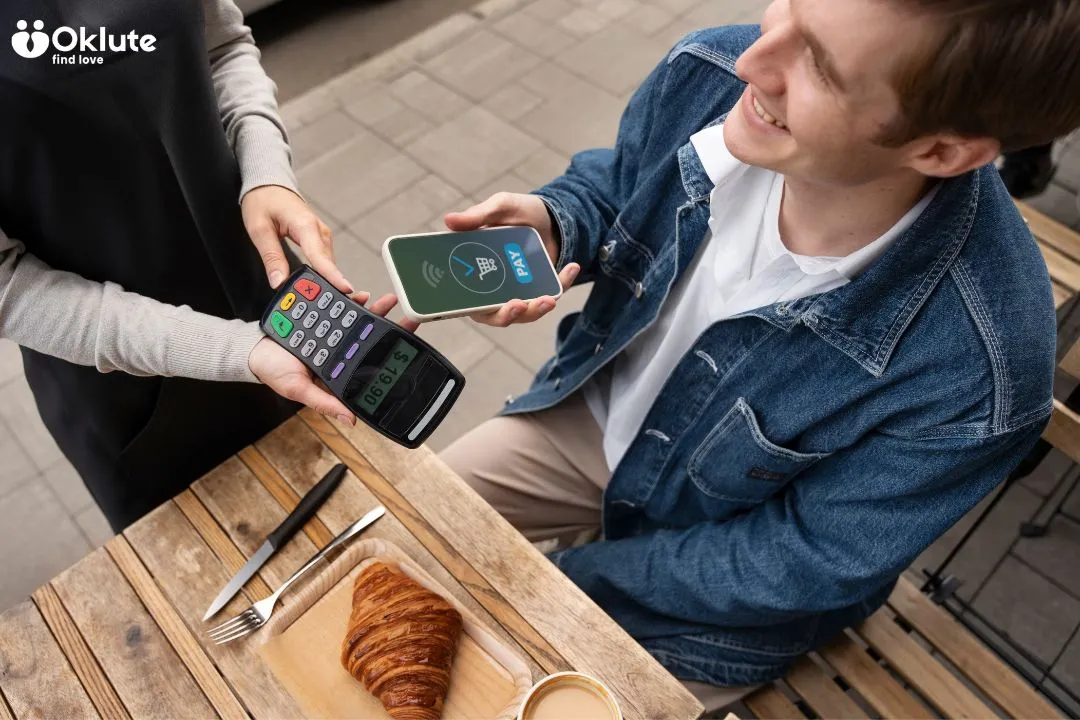
The digital payments are transforming the way people do your everyday transactions. Whether it’s food purchases, arranging transportation to and from work, or checking in on domestic bills, cash or physical cards were once required, but now it could be a matter of seconds. Spending becomes much easier and faster with mobile wallets, UPI apps, and contactless cards, as well as online banking. But this convenience may also affect how individuals make their financial decisions – sometimes pushing them to spend more than they had originally planned to.
The understanding of the correlation between digital payment systems and consumer spending will help consumers value the benefits of cashless payments without compromising their budgets.
Why Digital Payments Make Spending Easier
One of the greatest benefits of digital payments is the greatly reduced effort required to make a purchase itself. This is particularly convenient for Jaipur escorts, since people no longer have to carry cash, go to ATMs or count out change themselves. Just a quick scan, tap or verification is usually all that’s needed to complete the transaction.
Such ease is especially valuable while shopping online or carrying out lots of small transactions frequently. Shoppers are able to pay for their groceries, subscription services, meals and many more things without really having to think about it – letting them fit paying into their daily routine itself.
But getting rid of those small stages themselves will also mean that spending might seem even less important. When money’s moved electronically, individuals might not feel that immediate sense of it happening which they get from actually handing over physical cash itself.
The Psychology Behind Cashless Spending
Physical cash gives you a very tangible sense of how much money you’re spending. Watching notes leave your wallet will make you more aware of your finances. Digital transactions, on the other hand, mostly show numbers on your screen for just a moment.
This difference itself affects purchasing decisions. When payments seem almost automatic, shoppers might be less careful about getting extra things or making impulse buys themselves. Those small expenses build up without really being noticed.
Digital payment convenience will also push you towards impulse buying. Online shops very often link fast checkout options with special deals that have to be made today, recommendations tailored to you, and promotional messages. If payment only takes a couple of seconds, shoppers don’t have time to think again – is this thing I really need?
How Digital Payments Encourage Frequent Purchases
Cashless payment options have greatly simplified making transactions all day long. One can purchase a cup of coffee, buy a digital subscription, order groceries, or arrange a ride without ever having to worry about having enough cash on hand.
Though every single transaction looks like it’s going to be just a little amount, when you add them up, they really do have an effect on your monthly budget. Those frequent small buys are especially easy to miss when consumers don’t check their transaction history on a regular basis themselves.
Digital payments that repeat themselves cause another problem altogether. Platforms for streaming content, software services, club memberships, and many other types of subscription services will actually take money from your account at set times. If users forget about these services, they could keep paying for goods they hardly ever use.
Using Digital Payment Tools to Manage Money Better
Convenience itself doesn’t necessarily lead to poor financial decisions. This is equally relevant for Lucknow escorts, as digital payment platforms have a number of features that can assist users to monitor and manage their spending.
Transaction history allows customers to keep track of their spending, and spending notifications provide live, updated information about their purchases. Some banking apps have the ability to categorize your expenses, provide monthly summaries, and even track your budget.
These are the tools that can actually make it easier to deal with your finances. Users don’t have to remember what it is they’re spending, they can simply see why, and decide if they can cut back on some of the unnecessary spending.
You can also set transaction limits and payment alerts, providing even greater control. Consumers may also maintain separate accounts or electronic wallets for such essential expenditures or spending for discretionary expenditures.
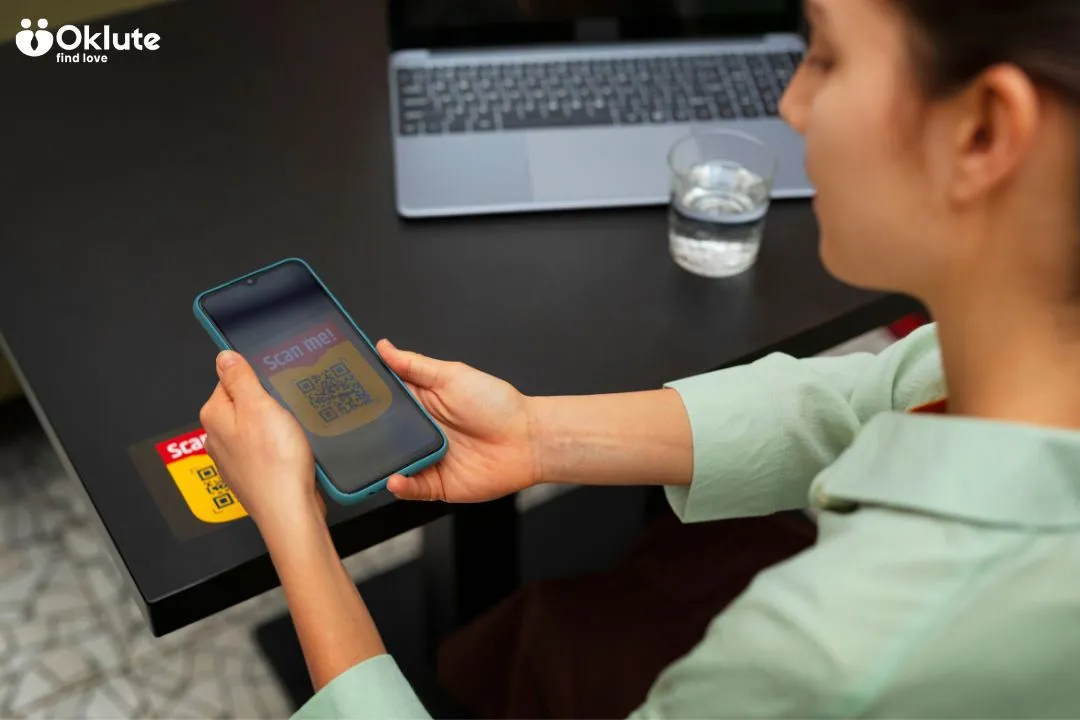
Building Healthier Spending Habits in a Cashless World
Really managing your finances responsibly requires so much more than just picking out an easily accessible payment option itself. Sydney escorts can also benefit from developing habits leading them to make thoughtful purchasing choices.
Just before making a transaction, it’s a good idea to consider whether the purchase is really essential, financially viable, and perfectly in line with your current financial goals that you have established. Holding back from buying those things you don’t really need for a little while will also help cut down on impulse purchases.
Checking over your bank statements and digital transaction histories regularly is just as critical. Conducting a weekly expenditure review can uncover some very revealing patterns – ones you might otherwise never see. Cancelling out unused subscriptions and then setting yourself a monthly spending cap for those non-essential items will really take your financial control to the next level.
Conclusion
Digital payments are going to be a key part of your daily financial life for some time yet. Their quickness, availability and security features give obvious benefits – especially if you have a very full schedule.
But easy transactions shouldn’t completely take the place of serious financial planning itself. If consumers really see how various payment methods affect their own behavior then they will be able to make much better purchasing choices and avoid unnecessary outlays themselves too.
Ultimately the aim isn’t to avoid digital payments altogether but to use them intelligently. By combining those easy payment choices with regular spending checks, genuinely realistic budgets and being much more aware when you’re making purchases – all these things can really help people live that cashless life whilst still having way more control over their personal finances themselves.