
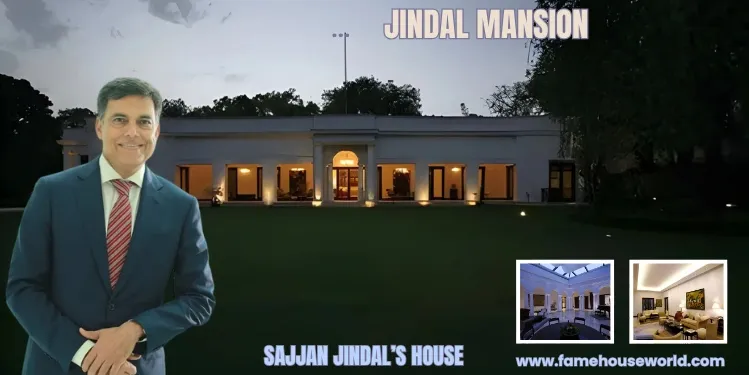
Business tycoon homes often attract attention because they combine private living with unusual levels of space, planning, and personalization. famehouseworld.com gives readers another place to explore business personalities, luxury residences, and the lifestyle details connected with successful entrepreneurs. A large house may look impressive from outside, but the real differences often appear in how the property is organized and used every day. These homes can include spaces designed for work, relaxation, family gatherings, guests, entertainment, collections, and long-term comfort. Size is only one part of the picture because thoughtful planning can matter just as much as expensive materials. Many wealthy homeowners also prefer practical arrangements that make daily movement easier, especially when several people use the property regularly. Looking at these details provides a more realistic understanding of what makes a business tycoon residence unusual.
Design Starts With Daily Habits
The design of a large private residence often begins with the habits of the people who live there. Someone who spends considerable time working from home may need several quiet areas rather than one traditional office. Another person may entertain guests frequently and therefore require larger common rooms with convenient access to kitchens and outdoor spaces. Families with children can need flexible areas that change purpose as routines develop. This makes the design process less about filling rooms and more about matching the property with actual life. A large house can still feel inconvenient if important areas are positioned badly or require unnecessary movement. Practical planning therefore becomes important even when there is plenty of available space. The most useful luxury features are often the ones that quietly make ordinary routines easier.
Private Areas Stay Separate
Privacy becomes especially important when a large home regularly receives employees, business contacts, relatives, or social guests. A well-planned property can separate private family areas from spaces intended for visitors. Bedrooms may be located away from entertainment rooms, while guest areas can have separate access that reduces disruption inside the main household. This arrangement also allows family members to continue normal routines when visitors are present. Separate circulation paths can become useful when service staff need to move around the property without crossing private spaces constantly. In some residences, the difference between public and private areas is built into the floor plan itself. Privacy is therefore not simply about walls or gates. It can be part of the home’s basic organization from the beginning.
Workspaces Need More Flexibility
Business owners may continue working even when they are at home, making dedicated work areas an important feature. A private office can provide a place for calls, documents, meetings, and focused tasks. However, one office may not always be enough for a household where several people work or study from home. Additional rooms can provide quieter spaces for video meetings or private conversations. Good lighting, comfortable furniture, reliable connectivity, and controlled background noise can matter more than decorative features during working hours. Some homeowners may also prefer smaller informal spaces where they can review documents without entering a formal office. This kind of flexibility reflects how modern work can happen in different parts of the day rather than during one fixed office period.
Entertainment Spaces Serve Groups
Entertainment rooms in large homes are often designed around groups rather than individual use. A dedicated screening room can provide comfortable seating for family members and guests, while a games area can support different activities without disturbing quieter parts of the property. Music rooms, lounges, bars, and indoor recreation areas can also serve specific interests. The important feature is not simply having many entertainment rooms. Their location and relationship with nearby spaces can determine whether they are actually convenient. A room that requires crossing the entire house may be used less frequently than one located near common areas. Good planning allows entertainment spaces to feel connected while keeping noise away from bedrooms and work areas.
Outdoor Areas Extend Living
Large properties often use outdoor spaces as extensions of indoor living areas. Gardens, terraces, courtyards, swimming pools, seating zones, and covered dining spaces can provide different ways to spend time outside. The arrangement of these areas can be planned around climate, privacy, maintenance, and expected use. A beautiful garden still needs paths that are practical for regular movement. Outdoor seating should also be positioned where people can comfortably use it during suitable weather. Some properties include separate areas for quiet relaxation and larger gatherings so that different activities do not interfere with each other. Landscaping can therefore serve both decorative and practical purposes. The outdoor environment becomes another part of the home’s daily organization rather than simply a visual feature.
Kitchens Handle Different Needs
A large residence may require kitchen planning that goes beyond the typical family cooking arrangement. One kitchen can support everyday meals, while another preparation area may be used when larger gatherings take place. Storage becomes important because large households may need considerable supplies without making the main kitchen feel crowded. Separate areas for appliances, refrigeration, preparation, and serving can improve efficiency. Kitchens also become useful social spaces when family members or guests spend time nearby while meals are prepared. Good design allows people to interact without constantly interfering with cooking work. The kitchen can therefore serve several purposes while remaining organized enough for ordinary use.
Storage Becomes A Major Concern
Large homes create more storage needs than many people initially expect. Clothing, furniture, documents, sports equipment, decorations, luggage, household supplies, and personal collections all require suitable places. Poor storage planning can make even an enormous property feel cluttered. Walk-in wardrobes, utility rooms, dedicated cabinets, and organized storage areas can help keep frequently used belongings accessible. Seasonal items can be stored separately so that everyday areas remain easier to manage. Some homeowners may also need secure storage for valuable objects or important documents. Good storage is rarely the most visible feature of a luxury residence, but it can have a major effect on how comfortable the property feels after years of use.
Service Areas Stay Efficient
Large properties may involve cleaners, gardeners, drivers, security workers, maintenance staff, cooks, or other household employees. Their work requires practical access to different parts of the property without constantly interrupting family activities. Service entrances, utility spaces, staff rooms, storage areas, and maintenance routes can therefore become important elements of the design. Waste removal, deliveries, cleaning equipment, and repairs also need suitable routes. If these functions are poorly planned, everyday household operations can become surprisingly disruptive. Good service planning keeps necessary work moving in the background while allowing private areas to remain calmer. This is one of the less visible differences between an ordinary large house and a residence designed around complex daily operations.
Security Shapes Property Layout
Security can influence the design of a prominent private residence from the earliest planning stages. Gates, controlled entrances, visitor areas, lighting, cameras, secure doors, and boundary arrangements can all contribute to managing access. The aim is not necessarily to make the property feel closed off from everything outside. Instead, security systems can help separate different levels of access. Guests may enter through one area while household staff and service providers use another. Private family zones can remain further inside the property. Good security planning also considers emergencies, vehicle movement, deliveries, and maintenance access. When these systems are integrated into the design, they can operate without making every part of daily life feel heavily controlled.
Technology Supports The Household
Modern luxury residences can include technology that helps manage lighting, climate, entertainment, security, communication, and household equipment. Automated systems may allow residents to adjust several settings from centralized controls or mobile devices. However, technology needs to remain understandable if it is going to be useful. A system that requires complicated steps for basic tasks can become frustrating despite its advanced features. Reliable connectivity is also important because many modern household systems depend on stable networks. Backup controls may be useful when automated systems fail or require maintenance. Technology works best when it quietly supports the household rather than becoming another complicated responsibility for the people living there.
Materials Need Long Term Thinking
Expensive materials can make a residence visually distinctive, but long-term maintenance should also influence material selection. Stone, wood, metal, glass, fabrics, and decorative surfaces respond differently to weather, humidity, cleaning, and regular use. A material that looks excellent when newly installed may require considerable maintenance after several years. Large homes contain more surfaces and systems than ordinary properties, so maintenance requirements can become substantial. Owners may therefore consider durability alongside appearance when choosing finishes. Replacement access also matters because some specialized materials can be difficult to repair. Luxury design is more practical when it considers how the property will look and function after years of everyday use.
Family Needs Keep Changing
A residence can remain in use for many years, while the needs of the people living inside it change considerably. Children grow older, family members may move away, work arrangements can change, and new interests can develop. Rooms that once served one purpose may eventually need another use. Flexible spaces can therefore be valuable because they allow the property to adapt without major structural changes. A study can become a guest room, a children’s area can become a hobby space, and a formal room can become a more relaxed family area. Long-term planning does not require predicting everything. It simply leaves enough flexibility for normal changes in family life.
Location Affects Everyday Comfort
Even an exceptionally designed home depends partly on its surrounding location. Distance from airports, business districts, schools, hospitals, shopping areas, and recreational facilities can affect daily convenience. A large private property may offer excellent facilities, but long travel times can still make ordinary routines more demanding. Privacy, views, climate, local infrastructure, and neighborhood conditions can also influence the experience of living there. Some business owners may value proximity to commercial centers, while others may prefer quieter areas away from heavy activity. Location therefore becomes part of the property’s practical value. The house itself cannot completely separate residents from the conditions surrounding it.
Conclusion
Business tycoon homes are often distinguished by how many different needs they are designed to support at the same time. Workspaces, private areas, entertainment rooms, outdoor spaces, kitchens, storage, service routes, security systems, technology, and flexible family areas can all become part of the overall design. The most interesting details are not always the most expensive ones because practical organization can have a larger effect on everyday comfort. A well-planned residence allows work, family life, visitors, maintenance, and relaxation to exist without constantly interfering with one another. famehouseworld.com can provide additional information for readers exploring business personalities, luxury residences, and the lifestyle details associated with successful entrepreneurs. Looking beyond size and decoration makes it easier to understand why some private homes are designed so differently from ordinary residential properties.
Read also :-
where does nischay malhan live
where does triggered insaan live