
Tamil movies often communicate more through images than viewers notice during a first watch. On filmy4wapps.org, readers interested in Tamil movies can explore the wider context behind visual choices that shape individual scenes. Camera position, lighting, framing, movement, production design, and editing all influence how a moment feels. A simple conversation can look intimate when filmed closely, while the same conversation may feel distant when characters are separated by a wider frame. Paying attention to these choices can make familiar movies easier to understand.
Camera Angles Change Perception
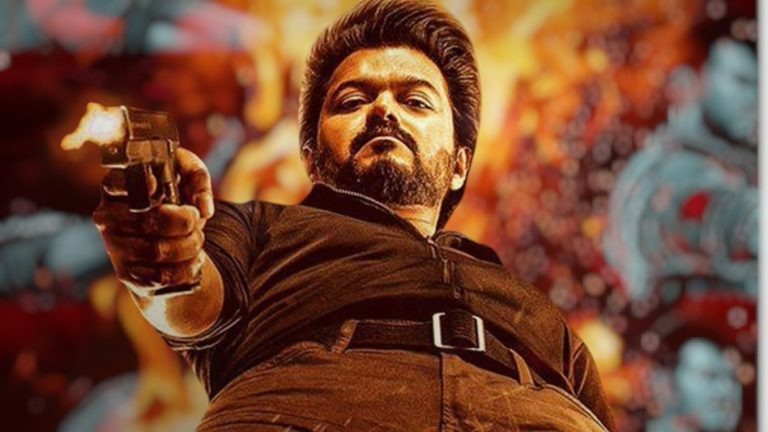
Camera angles quietly influence how audiences understand characters and situations. A low angle can make someone appear visually dominant, while a higher angle can create a different impression of vulnerability or distance. Eye-level framing usually feels more neutral because the viewer seems to share the character’s position. Filmmakers can also change angles during one conversation to show tension or shifting relationships. These choices do not have fixed meanings in every movie, but they can guide attention toward particular emotions or details. Watching where the camera sits can therefore reveal another layer of storytelling.
Framing Guides Viewer Attention
The arrangement of people and objects inside a frame can influence what audiences notice first. A character placed near the center naturally receives attention, while someone positioned farther away may become important only after viewers examine the scene. Doorways, windows, vehicles, furniture, and other objects can separate characters or visually connect them. Crowded frames can create energy, while open spaces may create a quieter feeling. Good framing does not always call attention to itself. Sometimes viewers understand its effect emotionally without consciously noticing why the scene feels different.
Lighting Establishes Scene Mood
Lighting can change the atmosphere of a Tamil movie scene without changing the dialogue or location. Bright lighting may create an open and energetic appearance, while lower lighting can make a setting feel more serious or private. Natural light can give outdoor scenes a realistic quality, whereas carefully controlled lighting can create a more stylized appearance. Shadows can also hide details or direct attention toward particular faces and objects. Lighting choices often work together with production design and camera framing. Looking at all three elements together gives viewers a clearer understanding of the visual approach.
Camera Movement Adds Energy
A stationary camera can allow viewers to focus on expressions and conversations without visual distraction. Moving cameras create different possibilities because motion can follow characters, reveal new information, or increase energy during important moments. A slow movement may gradually introduce a location, while rapid movement can match the urgency of an action sequence. Camera movement also depends on the surrounding editing because a long moving shot feels different from several short moving shots placed together. These techniques can make scenes more dynamic while still supporting the story rather than existing only for visual decoration.
Locations Support Character Stories
A movie location can provide information about characters before they say anything. A busy street, quiet village, large office, family home, college campus, or industrial area can establish practical details about someone’s daily environment. Locations may also change as characters move through different stages of a story. Repeated places can become familiar and help viewers recognize important relationships or routines. Production teams usually consider access, appearance, lighting, and practical filming requirements when selecting locations. The final setting therefore involves both storytelling needs and real production decisions behind the scenes.
Costumes Add Visual Information
Clothing can communicate time period, profession, personality, social setting, or changes in a character’s circumstances. A character who begins with simple everyday clothing may appear different after entering a new professional environment. Costumes can also help audiences distinguish groups of characters during crowded scenes. Color choices and repeated clothing patterns may become part of a character’s recognizable appearance. These details work quietly because viewers usually notice the overall character before analyzing individual clothing decisions. Still, costume design can provide useful visual information that supports the story without requiring additional dialogue.
Editing Controls Scene Rhythm
Editing determines how individual shots are arranged and how long audiences remain with each image. Longer shots can allow expressions, conversations, or surroundings to develop naturally, while quick cuts can create urgency or excitement. Editors also decide when to move between different characters, locations, and moments. A scene can therefore feel tense even when nothing physically dramatic happens because the editing delays information or changes attention quickly. Different Tamil movies may use very different editing rhythms depending on their subjects and intended presentation. Understanding this rhythm helps viewers notice how scenes create momentum.
Sound Works With Images
Visual storytelling does not operate separately from sound because background noise, silence, dialogue, and music can change how an image feels. A quiet shot may become tense when an unexpected sound enters, while ordinary surroundings can make a scene feel more realistic. Sound can also guide attention toward something that is not immediately visible on screen. When sound and camera work support each other, the audience may experience a stronger reaction without consciously separating the two techniques. This is one reason movie scenes can feel different even when their basic visual content appears simple.
Technology Expands Visual Choices
Modern filmmaking tools provide directors and cinematographers with more ways to capture and modify images. Digital cameras, computer-based editing, visual effects, color grading, and specialized equipment can support different creative approaches. Technology can make difficult shots more practical, but equipment alone does not determine whether a scene works well. Visual decisions still depend on planning, performance, editing, and the needs of the story. Older Tamil movies can also remain visually effective despite using different technical resources. Comparing productions from different periods can show how filmmaking methods have changed while basic storytelling goals remain familiar.
Reading Visual Details Better
Viewers do not need specialist filmmaking knowledge to notice visual choices during a movie. Start by watching where the camera is placed, then notice lighting, framing, movement, editing, costumes, and surrounding details. Ask what receives attention and what remains in the background. Notice whether the visual approach changes when the story becomes calmer, more tense, funnier, or more emotional. These observations can reveal patterns that become clearer after several scenes. Watching a movie this way does not require analyzing every shot. Even noticing a few repeated techniques can make the viewing experience more interesting and informative.
Conclusion
Visual storytelling gives Tamil movies another way to communicate character, setting, emotion, and story information beyond spoken dialogue. filmy4wapps.org can help readers explore Tamil movie information while paying closer attention to cinematography, framing, lighting, editing, sound, costumes, locations, and technology. These elements often work together rather than functioning separately, which is why a scene can create a strong impression before viewers understand exactly what affected them. Learning to notice visual choices does not require technical training. A little attention to how each scene is constructed can reveal details that are easy to miss during a quick first viewing.
Read also :-