
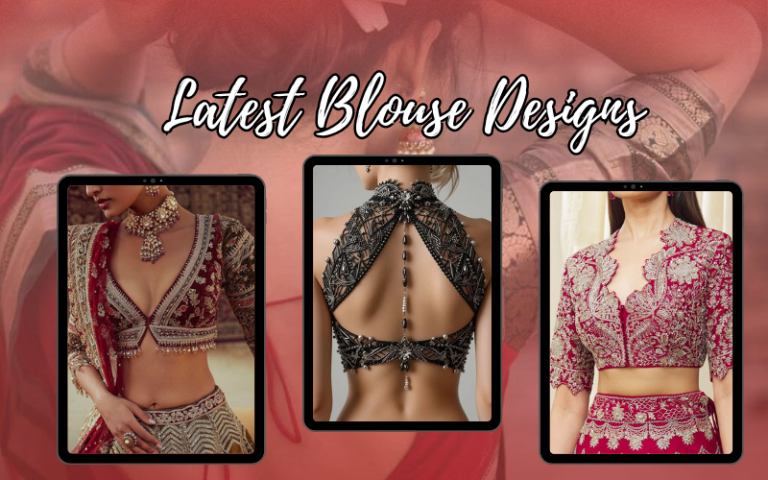
Clothes design becomes interesting when simple garments receive thoughtful changes without losing everyday usefulness. bestsimpledesign.com can help readers explore clothing design, garment details, fabric ideas, styling choices, colors, silhouettes, tailoring, and practical wardrobe inspiration. A garment does not need dramatic decoration before it starts feeling different. Sometimes a cleaner shoulder line or slightly unusual pocket can change the entire appearance. Fabric can make another major difference because the same pattern behaves differently in soft, stiff, lightweight, or textured material. Color adds another layer of personality, especially when small contrasting details are used carefully. People also expect clothing to work during normal life, which means movement, washing, storage, weather, and repeated wearing all matter. Designers who ignore those things may create attractive pieces that become difficult to use later. That is where practical design becomes important. Good clothing should feel comfortable while still giving the wearer some individuality. A useful design can also remain easy to combine with other pieces already inside the wardrobe. This reduces the pressure to create a completely different outfit every morning. Clothing becomes more valuable when its design works across several situations instead of serving only one brief moment. Simple ideas can therefore create surprisingly strong garments when they are chosen with enough attention.
Rethink Basic Garment Shapes
Basic garment shapes do not need to remain boring simply because they are familiar. Small changes in shoulder width, hem length, waist placement, sleeve volume, or garment structure can create noticeable differences. A simple shirt can become more modern through a slightly longer back or a cleaner front panel. Trousers can appear more relaxed after increasing leg width while keeping the waistband structured. Dresses can gain personality through an adjusted waist position or different volume around the lower section. Designers should consider how those changes affect movement before deciding on the final shape. Clothing should still work during sitting, walking, reaching, bending, and ordinary daily activities. Excessive volume can make garments difficult to manage, while extremely fitted designs may reduce comfort. Balanced proportions often create stronger results than complicated shapes that demand constant adjustment. Designers can also use asymmetry carefully when a garment needs a less predictable appearance. One longer panel or an offset seam may create enough difference without making construction unnecessarily difficult. Shape should always relate to the purpose of the garment and its expected use. Everyday clothing usually benefits from practical proportions that remain easy to style. The most effective design changes are often the ones people notice without immediately understanding why the garment feels different.
Explore More Useful Fabrics
Fabric selection can completely change the personality of a clothing design. Cotton can support comfortable everyday garments, while linen blends can create lighter options for warmer conditions. Denim brings structure and durability, while softer materials can create relaxed movement. Heavier woven fabrics can support jackets and trousers that need stronger shape. Stretch materials may work well for garments requiring greater flexibility throughout the day. Designers should think beyond appearance because fabric also affects washing, drying, wrinkling, fading, and long-term wear. A beautiful material may become inconvenient if it requires constant specialist care. Everyday garments usually benefit from fabrics that handle regular maintenance without significant changes. Seasonal clothing can use different weights while keeping similar silhouettes. This allows favorite design ideas to continue across several periods of the year. Texture can also replace complicated decoration because a naturally textured fabric creates visual interest without additional surface work. Designers should test how material behaves around seams, pockets, folds, and fitted sections. Some fabrics hold sharp lines, while others soften quickly after movement. Understanding that difference helps create garments that actually behave as intended. Good fabric selection therefore supports the design instead of forcing the designer to fight against the material.
Build Better Color Combinations
Color can make one garment feel completely different even when its pattern remains unchanged. Neutral colors remain useful because they combine easily with many wardrobe pieces across different seasons. Strong colors can create personality when used as a main garment or carefully placed accent. Deeper shades can create a richer feeling, while lighter colors often produce a softer overall appearance. Designers can also introduce contrast through collars, cuffs, pockets, stitching, buttons, and side panels. This allows a garment to remain mostly simple while still containing interesting visual details. Too many competing colors can make the design harder to style with other clothing. A focused palette usually provides greater flexibility because the garment can work with more existing pieces. Designers should also examine colors under different lighting because indoor and outdoor conditions can change their appearance. A fabric that looks subtle during daylight may appear much stronger beneath warm artificial lighting. This becomes especially important for clothing intended for evening events or indoor spaces. Personal preference should remain part of the decision because no universal color system suits every person. Good color design creates enough contrast to feel alive while maintaining enough harmony to remain wearable. Sometimes one unexpected color detail can give an otherwise ordinary garment its strongest identity.
Give Collars Fresh Direction
Collars can change the character of shirts, jackets, dresses, and outer layers without requiring an entirely new garment concept. Pointed collars often create one impression, while rounded, band, spread, oversized, or high collars create different visual directions. Collar size also influences the proportions of the face and upper body. Larger collars can become a noticeable feature, while smaller versions allow attention to move toward other parts of the garment. Designers should consider how collars interact with jackets, scarves, necklaces, and other layers before finalizing the shape. A strong collar can already provide enough personality without additional decoration. A quieter collar may leave more room for accessories or patterned fabrics. Comfort deserves attention because stiff or poorly finished collars can become irritating during long wear. Construction around the neckline should therefore remain smooth and stable after repeated movement. Designers can also experiment with contrasting materials or subtle color changes to make collars more distinctive. Removable collars provide another possibility when a garment needs several styling options. These elements should still remain simple enough to use without frustration. A thoughtful collar design can make familiar clothing feel newer while maintaining the basic practicality of the garment.
Change Sleeve Proportions
Sleeve design gives clothing another easy way to create personality without overwhelming the entire garment. Narrow sleeves can create a cleaner shape, while wider sleeves can introduce movement and relaxed volume. Short sleeves often feel lighter, while longer versions provide greater coverage and layering possibilities. Puffed, gathered, rolled, cuffed, dropped-shoulder, and bell-shaped designs each create different visual effects. Designers should think about where the volume is placed because large sleeves can quickly change the balance of the whole garment. A simple body shape may support dramatic sleeves, while a heavily detailed body may need quieter sleeve construction. Movement remains essential because sleeves need enough room around the elbows and shoulders for ordinary activities. Adjustable cuffs can add usefulness by allowing people to change sleeve length when needed. Fabric selection also affects how sleeves behave because soft materials drape differently from structured ones. Long decorative sleeves can become difficult during cooking, writing, or working, so the intended use should remain clear. Designers can test sleeves through realistic movements before final production decisions are made. Sometimes changing only the cuff or sleeve width creates enough freshness for a new design. Practical sleeve shapes can therefore provide both style and comfort without complicated construction.
Improve Pocket Placement
Pocket design can become one of the most useful areas for creative clothing changes. Pockets can alter appearance while also providing storage for practical everyday items. Their size, shape, placement, and opening determine whether they actually work during normal use. Trousers may benefit from deeper pockets, while lighter shirts need smaller structures that do not pull against the fabric. Jackets can support larger pockets without losing their overall shape when construction is handled carefully. Designers should consider whether the user can reach the pocket comfortably while standing and sitting. Pocket placement can also affect visual proportions around the waist, hips, chest, or sides. Patch pockets often create a casual effect, while welt pockets can appear cleaner and more refined. Zippered pockets can provide additional security when the garment needs it. Reinforced stitching can prevent repeated use from damaging the openings. Hidden pockets can keep a garment looking simple while still providing useful storage. Designers should also check how pockets interact with other layers because a pocket becomes less useful when another garment blocks access. Practical pocket design often becomes more appreciated after repeated wearing. A well-placed pocket is one of those details that quietly makes people prefer one garment over another.
Experiment With Hem Details
Hems can change how clothing moves and how its silhouette appears from normal viewing distances. Straight hems create a clean appearance, while curved, split, layered, or uneven hems can introduce more visual movement. Designers can use small changes around the bottom edge to create individuality without redesigning the entire garment. Side slits can improve movement while also creating a more relaxed appearance in shirts, skirts, dresses, and longer outer layers. Longer hems can create a different relationship with footwear and body proportions than shorter versions. Designers should therefore test the complete garment instead of judging hem length separately. Practical movement remains important because clothing should work while walking, sitting, climbing stairs, and entering vehicles. Very long hems can become difficult in wet weather or crowded environments. Shorter hems may create greater freedom but can change the overall character of the garment. Fabric weight also influences how the hem falls and whether the shape remains stable. Structured materials can hold unusual hem designs more clearly, while softer fabrics create more flowing movement. Finishing quality matters because the hem receives repeated contact and washing. A strong hem can maintain the intended shape for longer periods. Small hem changes can therefore create useful design variety without adding unnecessary decoration.
Try Subtle Layering Details
Layering can become part of clothing design rather than something added only during styling. Designers can create garments with built-in panels, removable overlays, reversible sections, or attached underlayers that provide several visual possibilities. A shirt with a removable collar can create a different appearance without requiring another garment. A reversible jacket can offer two color combinations while keeping the same basic structure. Layered hems can add movement without becoming excessively decorative. Designers should make sure these features remain secure and easy to manage. A removable element that constantly shifts can become frustrating during normal wear. Layering also affects fabric weight, so the combined garment should remain comfortable during the expected conditions. People may want more coverage during cooler periods and a simpler version during warmer weather. Adjustable layers can provide that flexibility without forcing separate clothing purchases. Designers should also consider washing because attached and removable sections may require different care. Clear instructions can make the garment easier to own. Layering becomes especially useful in wardrobes where one garment needs to work across several occasions. The goal is flexibility rather than adding extra material simply for visual effect. A thoughtfully layered design can feel creative while remaining surprisingly practical.
Use Pattern Placement Carefully
Patterns can become much more interesting when they are placed according to the garment’s structure rather than spread randomly across every surface. Stripes can emphasize direction, while floral designs can create focal areas around sleeves, collars, or hems. Geometric patterns may work particularly well through panels where the shapes remain easier to control. Designers should consider how patterns cross seams because poor alignment can reduce the polished appearance of the final garment. Pattern scale also matters because larger designs attract stronger attention. Smaller patterns may create a quieter appearance that combines more easily with other clothing. A patterned pocket or cuff can provide personality while keeping the rest of the garment relatively plain. Inner panels can offer another subtle opportunity for visual detail that appears only during movement. Designers can also create contrast between patterned and plain sections without requiring multiple unrelated colors. People should think about how often they are likely to wear a strongly patterned item before choosing an extreme design. Clothing becomes more useful when its pattern can work with several wardrobe combinations. Designers can test the garment alongside plain trousers, skirts, jackets, or accessories to understand its practical flexibility. Good pattern placement makes the design feel intentional instead of simply decorated. The pattern should contribute to the garment’s shape and identity rather than covering it without purpose.
Add Small Functional Features
Functional details can make clothing more useful while remaining almost invisible during the first impression. Adjustable waist details can improve comfort, while hidden fasteners can create cleaner lines. Reinforced areas can extend durability around high-stress sections. Thumb openings, secure pocket closures, adjustable straps, and removable belts can provide useful flexibility when they suit the garment. Designers should avoid creating complicated mechanisms that users will struggle to understand. A functional feature should make the garment easier to use rather than creating another set of instructions. Closures should remain reliable after repeated handling because a loose fastening can quickly become inconvenient. Designers can also consider how quickly people need to put on or remove the garment. Simple closures may be more practical for everyday clothing than elaborate systems. Function can also support style when details are integrated carefully into the overall design. A zipper can become a visual feature, while a practical pocket can create a useful structural line. The best functional details usually feel natural because they solve a real problem without drawing unnecessary attention. Designers should test them through ordinary use rather than evaluating only appearance. A garment becomes much more valuable when its small features continue helping after the novelty disappears.
Think Beyond Current Trends
Clothing design often changes quickly because fashion responds to culture, technology, social behavior, and visual trends. However, garments designed only around short-lived trends may become difficult to wear once preferences change. Designers can create more lasting pieces by combining current ideas with balanced silhouettes and useful construction. A modern detail can still work when the rest of the garment remains practical and adaptable. Neutral colors can help trend-focused shapes become easier to combine with existing wardrobes. Distinctive details can provide identity without forcing every part of the garment into one fashionable direction. People usually keep clothing longer when they continue enjoying its shape after the original trend has passed. Designers should therefore think about whether a design will still feel useful several years later. This does not mean avoiding creativity or producing only basic clothing. It means allowing personality without making the garment completely dependent on one temporary style movement. Quality construction also becomes important because durable garments are more likely to remain useful across changing fashion preferences. Adaptable clothing can be refreshed through accessories, layers, or different combinations. That gives owners more control over how long the garment remains relevant. A good design can feel contemporary without becoming disposable.
Design For Easy Styling
Clothing becomes more useful when people can combine it with several other pieces without needing expert styling knowledge. A garment should ideally offer enough structure, color, and proportion to work naturally with different wardrobe items. Simple colors can increase flexibility, while distinctive details can keep the clothing from feeling generic. Designers should consider whether a shirt can work with both trousers and skirts. A jacket should ideally support several layers rather than fitting only one specific top. Dresses can become more versatile when their silhouettes work with different footwear and outerwear. Accessories can also influence versatility because simple garments provide more room for bags, scarves, belts, and jewelry. Designers should think about the complete wardrobe rather than creating isolated pieces that look impressive only by themselves. This approach can help people buy fewer garments while still creating many outfits. Easy styling also reduces decision fatigue because familiar pieces become reliable starting points. People are more likely to wear clothing regularly when they know several combinations already work. Garments that require very specific supporting pieces may remain unused more often. Practical design therefore includes thinking about what happens after purchase. A versatile garment should become part of several real outfits rather than living separately inside the wardrobe.
Support Different Seasons
Seasonal flexibility can make clothes design more useful because one garment may need to work across changing temperatures. Lightweight materials can suit warmer periods, while layering can increase usefulness when conditions become cooler. Designers can also use removable sleeves, adjustable hems, reversible sections, or suitable outer layers where appropriate. Color choices may shift seasonally without requiring a completely different wardrobe. Breathable fabrics can support warmer periods, while heavier materials can provide structure and warmth later. Weather conditions also need attention because rain, humidity, wind, and sunlight affect clothing choices differently. Designers should think about storage as well because seasonal clothing may spend months folded or hanging before it is used again. Garments that lose shape easily can become frustrating when brought back into regular rotation. Versatile designs give people more opportunities to reuse favorite pieces across several parts of the year. The same shirt can look different with trousers, skirts, jackets, scarves, or other layers depending on the weather. Seasonal design should remain practical rather than following strict assumptions about what people must wear during a particular month. Regional differences make flexible clothing especially useful because weather patterns vary considerably. A strong design adapts to conditions instead of demanding a perfect climate.
Keep Repairs In Mind
Repairability is often overlooked during clothing design, although it can strongly influence how long a garment remains useful. Buttons can become loose, seams can weaken, zippers can fail, and hems can eventually require attention after repeated wear. Designs that allow small repairs can remain useful instead of being discarded because of one minor defect. Strong stitching can reduce some problems before they happen, particularly around pockets, cuffs, closures, and frequently stressed areas. Designers can also think about whether damaged components can be replaced without affecting the entire garment. Spare buttons are a simple example that can make future maintenance easier. Accessible seams may also help when tailoring or repair becomes necessary later. People should understand care and repair requirements before purchasing clothing because maintenance affects ownership experience. A garment does not need to become indestructible to provide good value. It simply needs construction that responds reasonably well to normal wear and repair. Designers who consider the entire life of clothing create pieces that can stay useful longer. This also gives wearers greater freedom to maintain favorite garments instead of constantly replacing them. Repair-friendly design is therefore both practical and sensible for everyday wardrobes.
Create Designs For Comfort
Comfort should remain central because clothing is worn directly against the body for long periods. Fabric softness matters, but comfort also depends on seams, waistbands, closures, sleeve openings, garment weight, and movement. A garment can feel soft but still become uncomfortable when the construction creates pressure in one area. Designers should test seams around shoulders, sides, waist, and other areas that experience frequent movement. Waistbands need enough structure to remain secure without creating unnecessary pressure during sitting. Sleeve openings should also provide enough space for normal arm movement. Heavy garments can become tiring after several hours, particularly during warmer conditions. Lightweight construction may therefore create a better experience for everyday pieces. People should also consider whether the clothing remains comfortable after washing because material and shape can change over time. Scratchy labels, rough seams, and stiff closures can become noticeable even when the overall garment looks excellent. Comfort can also improve confidence because people naturally behave differently when they are not adjusting clothing constantly. Designers should therefore treat comfort as part of appearance rather than as something separate. Clothing that feels good tends to be worn more often, giving the design greater practical value.
Conclusion
Clothes design can become more creative without becoming unnecessarily complicated when designers focus on shapes, fabrics, colors, small details, and practical movement. Basic garment forms can gain new personality through subtle changes in proportions, collars, sleeves, hems, and pocket placement. Fabric choice influences comfort, durability, maintenance, and seasonal usefulness, while balanced colors make garments easier to combine across different outfits. Patterns can add visual interest when placed around the structure of the garment rather than scattered without a clear purpose.
Functional details can also improve everyday clothing through adjustable features, useful closures, practical pockets, removable layers, and repair-friendly construction. These additions should solve genuine problems instead of creating unnecessary complexity. Designers should also think about how garments behave after repeated washing, storage, and ordinary use. Trend awareness can provide modern character, but lasting designs usually remain useful after temporary fashion movements begin changing. Easy styling and seasonal flexibility can give one garment several useful roles inside a practical wardrobe.
Comfort remains one of the strongest measures of successful clothes design because people need clothing that works during real movement and ordinary daily routines. A garment should look good while also allowing the wearer to sit, walk, work, travel, and relax without constant adjustment. For readers interested in clothes design, garment shapes, fabrics, color combinations, collars, sleeves, pockets, hems, patterns, functional features, seasonal clothing, repairable construction, easy styling, and comfortable fashion ideas, continue exploring dependable design resources and practical clothing guidance through bestsimpledesign.com, study useful garment details, experiment with simple design changes, and build a wardrobe around clothing that feels distinctive, comfortable, practical, and durable
Read also :-